Post-concussion symptoms & TBI / Auckland & Christchurch
Post-Concussion Symptoms
& TBI
For sufferers with persistent post-TBI brain fog, head pressure & autonomic fatigue.
Could Your Ongoing Brain Fog and Head Pressure Be Physical Strain on Your Brain’s Membranes?
If rest, darkness, and medications haven’t cleared your post-concussion symptoms, it’s often because standard scans can’t see physical strain on the brain’s protective inner lining. Impact forces from a head injury or whiplash can twist the central skull bones, trapping the tough dural membranes in constant tension. This strain restricts fluid drainage, traps pressure inside your head, and keeps your nervous system stuck in “fight-or-flight.”
Nasal RX works gently through your natural nasal passages to release this deep membrane tension, opening up fluid flow, clearing brain fog, and allowing your brain to finally heal.
Book a Concussion Assessment See Dural MechanicsWhy can symptoms persist after concussion when scans are normal?
Impacts can leave mechanical tension in the skull and its inner lining that standard scans may not show. Nasal RX is a non-surgical endonasal procedure offered in Auckland and Christchurch that may complement other medical care; results vary.
Clinical overview / Reciprocal tension membranes
The Brain’s Physical Anchor
Head injuries and whiplash drive shock directly into the brain’s protective inner lining. When central skull bones lock up from the impact, they trap this lining in constant tension. This blocks normal fluid flow, creates pressure in your head, and keeps your nervous system stuck in fight-or-flight mode.
Dural tension simulator
Post-Concussive Dural Tension Simulator
Toggle dural strain states to see how sutural restriction impacts cerebral venous outflow.
Sutural restriction trapping the dura mater, restricting jugular venous return.
Introduction / A structural view of post-concussion recovery
Scans Normal - Symptoms Persist
If weeks or months after a head impact you are still living with brain fog, pressure, fatigue, light sensitivity, or poor concentration - despite “normal” scans - the problem may not be visible on standard imaging. The dura mater and the delicate sutures between cranial bones can carry mechanical strain without gross structural damage.
Traumatic impacts often jam the delicate sutures between cranial bones, restricting the subtle pumping mechanism that drives cerebrospinal fluid (CSF) flow and venous drainage from the brain. By mobilising these fixed sutures and releasing deep dural strain, Nasal RX supports normal cranial mechanics, easing persistent post-concussion pressure, cognitive fatigue, and brain fog.
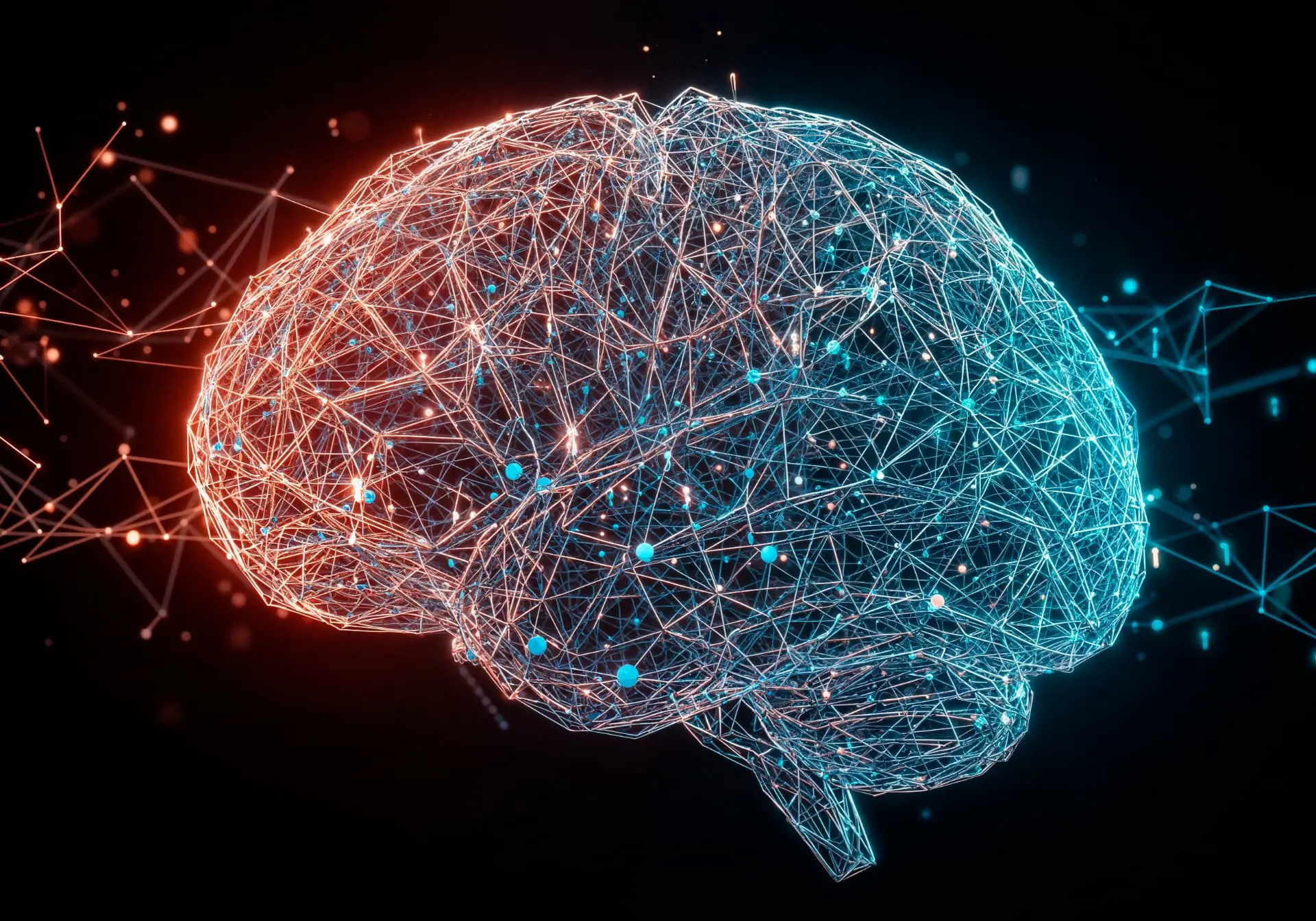 Plate 01 / Cranial & dural anatomy
01 / Comparing models
Rest & Symptom Masking
vs Nasal RX Structural Decompression
A side-by-side comparison of the standard post-TBI care model and the Nasal RX endonasal protocol.
Primary Approach
- Standard Post-TBI Care (Rest / Meds)
- Cognitive rest, darkness, and symptom medications.
- Nasal RX Endonasal Protocol
- Physical micro-mobilisation of locked cranial sutures.
Mechanical Target
- Standard Post-TBI Care (Rest / Meds)
- Waits for natural tissue compensation.
- Nasal RX Endonasal Protocol
- Releases dural membrane torsion at the sphenobasilar junction.
Glymphatic & Venous Flow
- Standard Post-TBI Care (Rest / Meds)
- Indirect management without physical release.
- Nasal RX Endonasal Protocol
- Decompresses the jugular foramen pathway to support drainage.
Autonomic Impact
- Standard Post-TBI Care (Rest / Meds)
- Symptom suppression during recovery.
- Nasal RX Endonasal Protocol
- Supports parasympathetic recovery and autonomic resilience.
Recovery / Safety
- Standard Post-TBI Care (Rest / Meds)
- Rest and medication dependency.
- Nasal RX Endonasal Protocol
- Zero downtime, non-surgical micro-mobilisation.
| Clinical Feature | Standard Post-TBI Care (Rest / Meds) | Nasal RX Endonasal Protocol |
|---|---|---|
| Primary Approach | Cognitive rest, darkness, and symptom medications. | Physical micro-mobilisation of locked cranial sutures. |
| Mechanical Target | Waits for natural tissue compensation. | Releases dural membrane torsion at the sphenobasilar junction. |
| Glymphatic & Venous Flow | Indirect management without physical release. | Decompresses the jugular foramen pathway to support drainage. |
| Autonomic Impact | Symptom suppression during recovery. | Supports parasympathetic recovery and autonomic resilience. |
| Recovery / Safety | Rest and medication dependency. | Zero downtime, non-surgical micro-mobilisation. |
Clinical deep-dive library
The Full Deep-Dive Library
All long-form clinical content is preserved below. Tap any heading to expand the full dural and glymphatic mechanics, non-surgical strategy, FAQs and academic citations.
Traumatic brain injuries alter cranial vault compliance. The dura mater attaches firmly to the crista galli, foramen magnum, and upper cervical vertebrae. Rotational deceleration forces strain these attachments, holding the sphenoid and occiput in asymmetric shear patterns.
This persistent mechanical strain restricts venous return through the internal jugular veins at the jugular foramen, raising central venous pressure and retarding glymphatic clearance of metabolic waste. Endonasal micro-mobilisation works directly via the nasal passageway to balance sphenobasilar mechanics, unloading dural attachments and supporting normal cerebrospinal fluid dynamics.
Nasal RX offers a complementary, non-surgical structural approach to persistent post-concussion symptoms by addressing the dural and sutural mechanics that scans cannot show:
- 01
Evaluating Dural Mechanics
A structural assessment maps sutural restriction, sphenobasilar torsion, and the pattern of dural membrane strain following the original impact.
- 02
Releasing Sphenobasilar Torsion
Gentle endonasal micro-mobilisation works via the nasal passageway to balance sphenobasilar mechanics, unloading dural attachments and supporting normal cerebrospinal fluid dynamics.
- 03
Supporting Venous & Glymphatic Drainage
As cranial base tension eases, jugular venous return and glymphatic clearance are encouraged, supporting the clearance of post-injury metabolic waste.
- 1Iliff JJ, Wang M, Liao Y, et al. A paravascular pathway facilitates CSF flow through the brain parenchyma and the clearance of interstitial solutes. Sci Transl Med. 2012;4(147):147ra111.
- 2Nedergaard M. Garbage truck of the brain: the glymphatic system. Science. 2013;340(6140):1529-1530.
- 3Magoun HI. Osteopathy in the Cranial Field (3rd ed.). Kirksville, MO: Journal Printing Company; 2008.
- 4Ellis MJ, Leddy J, Willer B. Multi-disciplinary management of athletes with post-concussion syndrome: an evolving pathophysiological approach. Front Neurol. 2015;6:128.
- 5Sullan MJ, Niogi SN. Neuroimaging in mild traumatic brain injury and post-concussion syndrome. Handb Clin Neurol. 2018;158:97-116.
Academic references are provided for educational and context purposes. Individual clinical outcomes vary, and suitability for treatment is determined during a personal clinical consultation.
Persistent symptoms after concussion or traumatic brain injury require appropriate medical oversight and an individual care plan. Nasal RX is complementary and does not replace neurological, emergency, or rehabilitation care. Individual clinical outcomes vary, and suitability for treatment is determined during a personal clinical consultation.
Clear the Fog & Dural Strain
Schedule a structural assessment to evaluate your cranial base mechanics, dural tension, and post-concussive airway function.
Request Concussion Assessment